

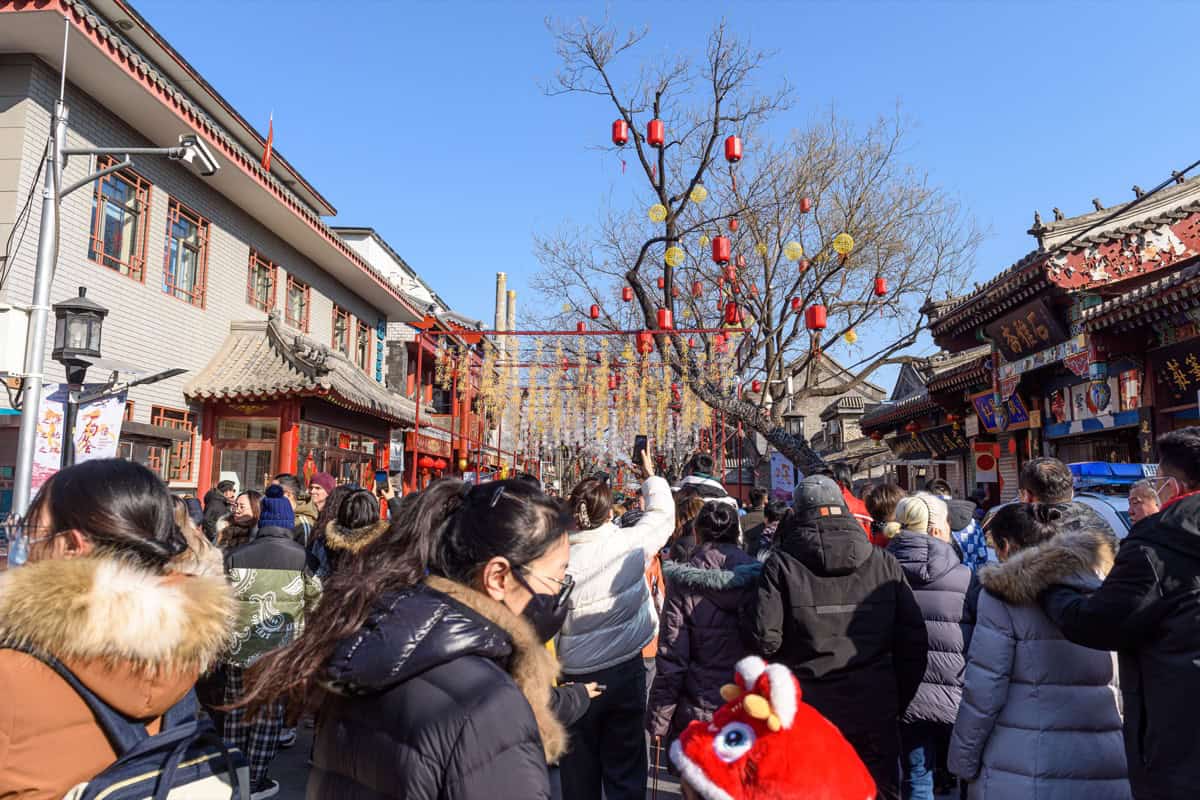
Chinese Festival Calendar 2026-27: Every Date, Every Story
A Chinese festival calendar is not a list of dates. It is a claim about time — that the year has a shape.
That shape is drawn on the lunar calendar (农历, nónglì), and it repeats every year while moving every year. It is built from three recurring movements: reunion (团圆, tuányuán), the veneration of ancestors (祭祖, jìzǔ), and renewal.
Then there is the reason this calendar traveled so far. Over roughly 150 years the counties around the Pearl River Delta — the 五邑 (Wǔyì, the Five Counties: Taishan 台山, Kaiping 开平, Xinhui 新会, Enping 恩平, Heshan 鹤山) — sent millions overseas, and the calendar went with them. Oceans, school terms and work weeks set in Toronto and Sydney displaced it, and it is still kept — often not on the day the table prints.
This page lays the thread out: every major Chinese festival across 2026 and 2027 — date, lunar date, one line on how the diaspora keeps it, and a link to the full story where one exists.
Written 14 September 2026 — eleven days before Mid-Autumn (中秋节, Zhōngqiū Jié) falls on Friday 25 September. Half of what follows is still ahead this season; all of 2027 is ahead of everyone.
Jump to: The 2026 calendar · The 2027 calendar · The diaspora year · Planning around the calendar
Jump to a festival: Laba 腊八 · 小年 · 除夕 · 春节 · 元宵节 · 清明节 · 端午节 · 七夕节 · 中元节 · 中秋节 · 国庆节 · 重阳节 · 寒衣节 · 冬至
How the Chinese festival calendar works
Two calendars run at once, and nearly every confusion about Chinese festival dates comes from treating them as one.
The first is the lunar month: 29 or 30 days, each beginning at the new moon (合朔, héshuò), computed against the 120°E meridian. Twelve such months run about 354 days, roughly eleven short of a solar year, so a leap month (闰月, rùn yuè) is inserted — a month with no 中气 is doubled — about seven times in nineteen years (十九年七闰). Neither year covered here has one: both run twelve lunar months straight through.
The second calendar is the sun’s. The 24 solar terms (节气, jiéqì) divide the year by the sun’s position rather than the moon’s, so they land within a day or two of the same Gregorian date every year — the page’s most useful distinction:
- Lunar-fixed festivals move. Spring Festival (春节, Chūnjié) wanders across roughly a month, between about 21 January and 20 February, pinned to 正月初一.
- Solar-term-fixed festivals barely move. Qingming (清明节, Qīngmíng Jié) falls on 4–6 April — 5 April in both 2026 and 2027; Winter Solstice (冬至, Dōngzhì) on 21–22 December — 22 December in both years.
Read as a rhythm, the year runs in four movements. Spring is renewal and the ancestors: Spring Festival, Lantern Festival, Qingming. Summer is protection and the dead: Dragon Boat, then Ghost Month and Zhongyuan. Autumn is reunion and remembrance: Mid-Autumn, then Double Ninth. Winter is return: Winter Solstice, then Laba closes the loop.
Two zodiac signs cover the window: 2026 is 丙午, the Year of the Horse (马年, mǎ nián), from 17 February 2026; 2027 is 丁未, the Year of the Goat (羊年, yáng nián), from 6 February 2027.
Where the dates come from, and one honest caveat. Every Gregorian date here is carried — not recalculated — from the Hong Kong Observatory Gregorian–Lunar Calendar Conversion Table (hko.gov.hk). HKO’s own published remark concedes a possible one-day discrepancy when a new moon, or a solar term, falls close to midnight — the mechanism behind the habit of keeping a date “a day later.” A date kept one day off this table is not necessarily wrong.
Two framing choices. This hub indexes the festival year from 正月初一, the year’s start settled under the 太初历 reform of 104 BCE — an editorial decision, not a fact of nature: 立春, 腊八 and 冬至 are defensible openings elsewhere. Regionally-kept dates (二月二, 六月六) carry no single national date, so they get no row.
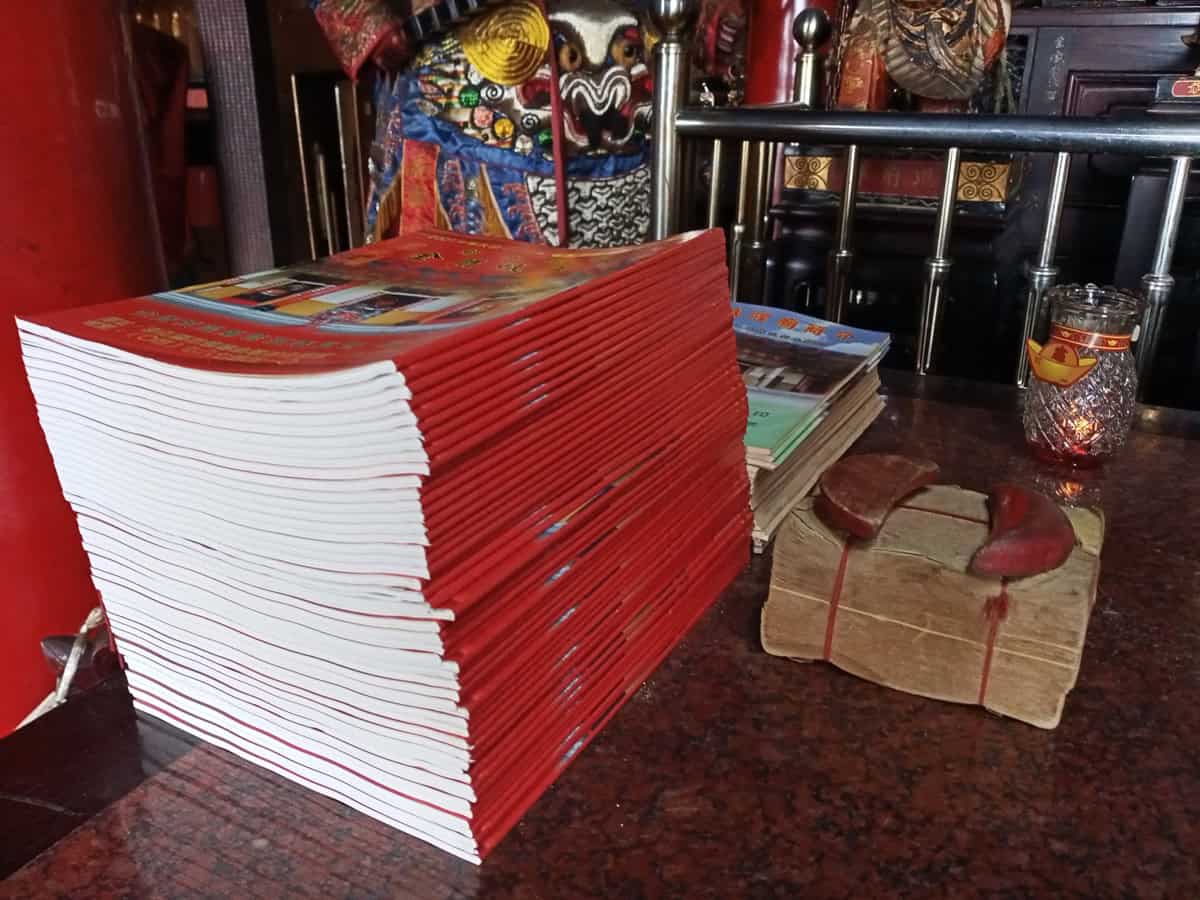
The 2026 calendar
| Festival | 汉字 | 2026 Gregorian date | Lunar |
|---|---|---|---|
| Laba | 腊八节 | Mon 26 Jan 2026 | 12/8 |
| Chinese New Year’s Eve | 除夕 | Mon 16 Feb 2026 | 12/29 |
| Spring Festival / CNY | 春节 | Tue 17 Feb 2026 | 1/1 |
| Lantern Festival | 元宵节 | Tue 3 Mar 2026 | 1/15 |
| Qingming (solar term) | 清明节 | Sun 5 Apr 2026 | 节气 |
| Dragon Boat | 端午节 | Fri 19 Jun 2026 | 5/5 |
| Qixi | 七夕节 | Wed 19 Aug 2026 | 7/7 |
| Zhongyuan | 中元节 | Thu 27 Aug 2026 | 7/15 |
| Mid-Autumn | 中秋节 | Fri 25 Sep 2026 | 8/15 |
| National Day (fixed date) | 国庆节 | Thu 1 Oct 2026 | fixed |
| Double Ninth | 重阳节 | Sun 18 Oct 2026 | 9/9 |
| Winter Clothes | 寒衣节 | Mon 9 Nov 2026 | 10/1 |
| Winter Solstice (solar term) | 冬至 | Tue 22 Dec 2026 | 节气 |
Two rows no standard national table prints, both derived from the HKO month start: 追月 (zhuī yuè), the day after Mid-Autumn, kept in Guangdong and Hong Kong — Sat 26 Sep 2026; and the 九皇爷诞 window — 10–18 Oct 2026 (九月初一 to 九月初九).
Laba
腊八节 (Làbā Jié), the eighth day of the twelfth lunar month — Monday 26 January 2026 — pairs a pre-Qin year-end offering to ancestors and grains with the Buddhist commemoration of the Buddha’s enlightenment, and the mixed-grain 腊八粥. The saying 过了腊八就是年 (“past Laba, it is New Year”) is the countdown itself. It is the festival most thinly carried overseas: no association-run Laba observance was located in this search; what travels is the porridge as charity food. (No article yet.)
Little New Year and the Kitchen God
小年 (Xiǎonián) and 祭灶 (jìzào) — the send-off of the Kitchen God — fall on the 23rd or 24th of the twelfth month: 10–11 February 2026. The old formula 官三民四疍家五 gives the 23rd to officials, the 24th to ordinary households, the 24th being the province-wide majority. The Wuyi counties do not all follow it: Kaiping’s municipal record dates 祭灶 to 十二月廿三. A family keeping 廿四 in Taishan and one keeping 廿三 in Kaiping are both keeping 小年. (No article yet.)
Chinese New Year’s Eve
除夕 (Chúxī), the last day of the twelfth month — Monday 16 February 2026 — is the reunion (团圆) meal, the lights kept past midnight, the red envelopes, the Kitchen God received back, and 卖懒, the “selling of laziness,” children walking the lanes with a red egg and a lantern. (No article yet.)
Spring Festival
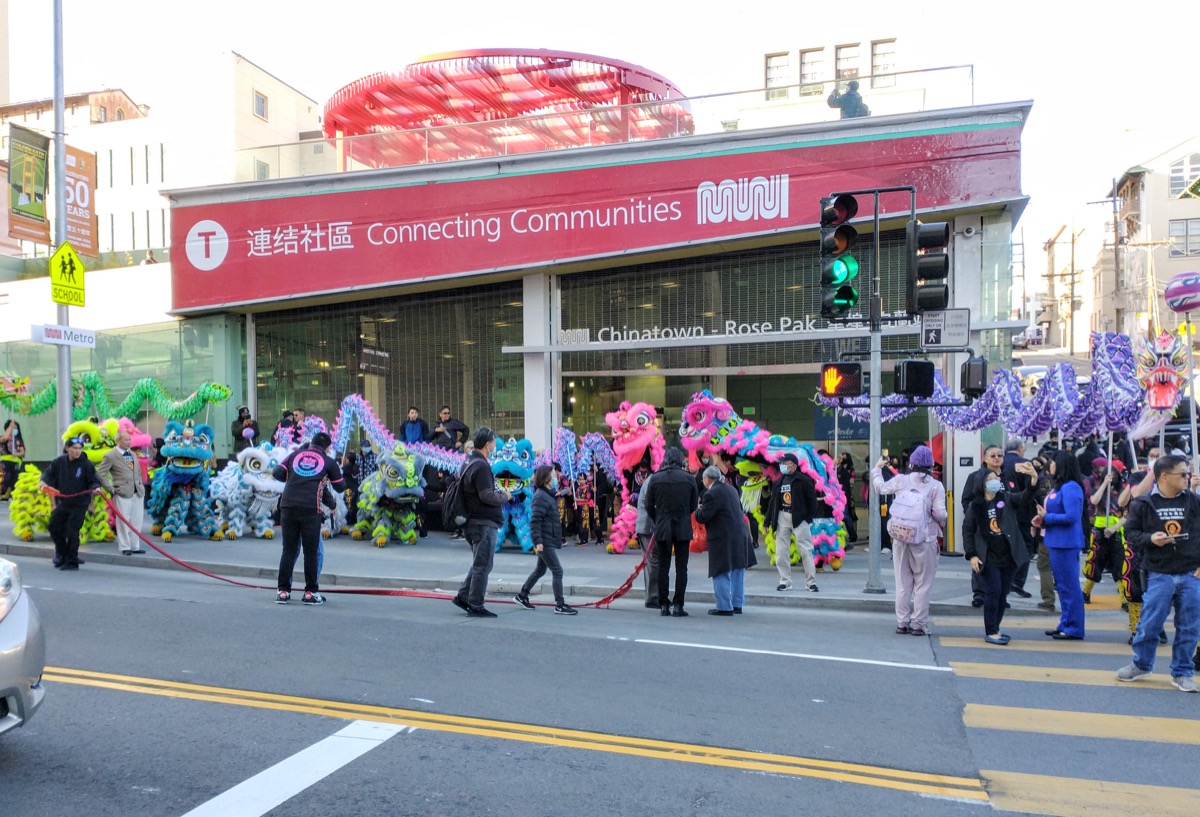
春节 (Chūnjié) is Tuesday 17 February 2026 — 正月初一, and the start of 丙午, the Year of the Horse. It is a season rather than a day, running five to six weeks from 腊八 to 元宵, and Guangdong keeps its own version on its own dates — 年廿八洗邋遢 (the sweep lands on the 28th, not the northern 24th), 贴挥春, and 行花街, the flower-street markets listed as provincial intangible heritage in 2007 (China’s intangible cultural heritage register). In 潮汕 the season is bracketed by the gods’ travel: 十二月廿四神上天, then 正月初四(一说初九)神落天. Overseas, the parades are set by parade committees and associations on a chosen weekend, not on 正月初一; for the year’s date and route, check the organiser’s announcement. (No article yet.)
Lantern Festival
元宵节 (Yuánxiāo Jié) — Tuesday 3 March 2026, the fifteenth of the first month — is the year’s first full moon and the 上元 date of the Daoist 三元. In Guangdong the largest village celebrations cluster around it rather than on it: 泮村灯会 in 开平水口镇 on 正月十三, running since 1464, its multi-metre flower lanterns parading through 42 villages (per the 2026 Kaiping municipal account; some earlier official accounts say 48). No Wuyi-specific 正月十五 rite was located in this search. (No article yet.)
Qingming
清明节 (Qīngmíng Jié) — Sunday 5 April 2026 — is the calendar’s still point, a solar term rather than a lunar date, which is why it lands within a day or two of 5 April every year. In Guangdong it is the principal grave-visiting date, and the Wuyi sequence is specific: the 祠堂 (cítáng, ancestral hall) first, the grave second, the whole-roast-pig offering divided as 太公分猪肉 — the division recording who still belongs to the lineage; more than 100,000 people return to Jiangmen annually. See Qingming: A Journey Through Time and Memory.
Dragon Boat Festival
端午节 (Duānwǔ Jié) is Friday 19 June 2026, the fifth day of the fifth month. In Guangdong it is a season rather than a day — 起龙 and 采青, then 招景, 趁景 and 赛龙, then 藏龙 and 散龙 — with per-village 招景 dates and a communal 龙船饭 that can run to a thousand tables. That season and its diaspora life belong to Dragon Boat Festival Across the Diaspora and What Makes the Dragon Boat Festival Special?.
Qixi
七夕节 (Qīxī Jié) falls on the seventh night of the seventh month — Wednesday 19 August 2026. Its oldest rite is 乞巧, the petition for skill with the needle. In the Wuyi record 七月初七 is a women’s 拜七姐 observance, and among 潮汕 (Chaoshan) communities the same date carries 出花园 (chū huāyuán, “leaving the garden”), a coming-of-age for 15-虚岁 boys and girls — region-variable, often set to another auspicious day chosen for the child. Guangdong’s 侨务 office records the rite as transmitted in overseas Teochew communities. See Qixi Festival: How the Wuyi Diaspora Kept Love Alive Across the Ocean.
Zhongyuan
中元节 (Zhōngyuán Jié), the fifteenth of the seventh month, is Thursday 27 August 2026 — the index date, not the only one. In Cantonese-speaking Guangdong, 七月十四 is the documented regional band: Heshan records duck, meat and wine offered to ancestors and to the unburied dead, with five-coloured paper clothing burned (烧衣) before the door; Yangjiang keeps a midday observance. Collapsing the two dates would make this calendar wrong for much of its readership, so both are printed. See Zhongyuan Festival: How the Wuyi Diaspora Honors the Dead.
Mid-Autumn Festival
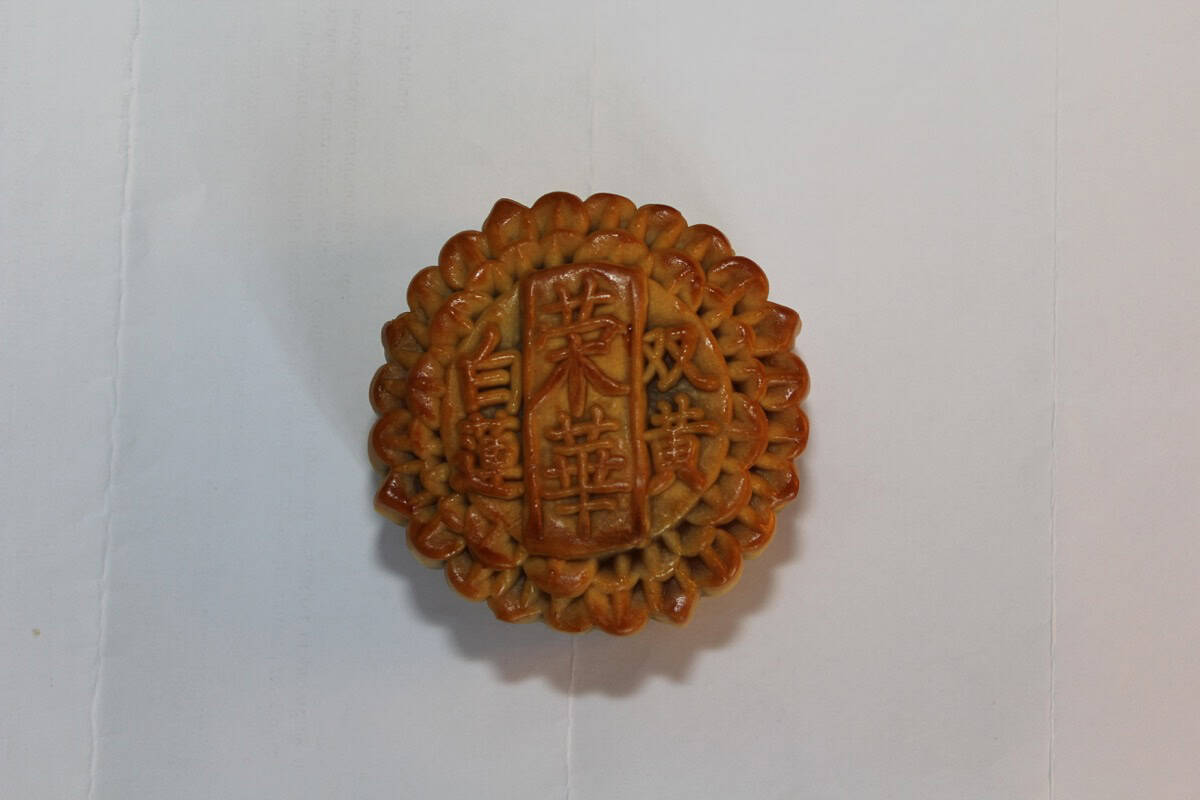
中秋节 (Zhōngqiū Jié) — Friday 25 September 2026, the fifteenth of the eighth month — is kept as the reunion festival, with Guangdong’s extra night following: 追月, Saturday 26 September 2026. The mooncakes, the moon-worship, the Wuyi fire-dragons and the reunion-across-distance tension are told in Mid-Autumn Festival 2026: Mooncakes, Reunion, and How the Wuyi Diaspora Keeps the Date.
National Day
国庆节 (Guóqìng Jié) is the calendar’s one purely political date — Thursday 1 October 2026, the same square every year. It heads the Golden Week travel block, and overseas it is marked by 侨团 (qiáotuán, associations) and consulates through flag-raisings, galas and collective viewing — an organised observance whose scale varies by year. See Chinese National Day: How the Diaspora Marks October 1.
Double Ninth (Chung Yeung)
重阳节 (Chóngyáng Jié) — Sunday 18 October 2026 — is the ninth day of the ninth month, a doubled day read in the old almanacs as one to be survived, with hill-climbing as the apotropaic act; since 1989 it has also carried the 敬老 designation. In Guangdong it splits by lineage and locality — outing, grave visit, or kite-flying — while overseas it is one of the calendar’s thinnest nodes. See The Chung Yeung Festival.
Winter Clothes and the Lower Yuan
寒衣节 (Hānyī Jié), the Winter Clothing Festival, falls on the first day of the tenth lunar month — Monday 9 November 2026 — when paper winter clothing is burned for the dead. One of the year’s three principal observances of the dead alongside Qingming and Zhongyuan, its living practice is described as northern-predominant; no Guangdong or Wuyi 寒衣 practice was located in this search, so the local layer is an explicit gap rather than filled in from Guangzhou.
Sub-note, derived from the HKO month start: 下元节 (Xiàyuán Jié) — the birthday of the 水官, the Water Official who 解厄 — falls on the fifteenth of the tenth month, Monday 23 November 2026. A three-day statutory holiday in the Song dynasty, it has all but dropped out of the living calendar, which is why a complete calendar still prints it. It is not 寒衣节 — it falls fourteen days after 寒衣节 in the same lunar month. (No article yet.)
(No article yet on either.)
Winter Solstice
冬至 (Dōngzhì) — Tuesday 22 December 2026 — is the calendar’s second solar-term-fixed date, landing on 21–22 December every year. It must fall inside the eleventh lunar month for the civil rule fixing 正月初一 to hold; it was a former new year (hence 冬至大如年, or 冬大过年); and it is the most food-divergent date of the year — 顺德’s 捞鱼生, the savoury 咸汤圆 of the 阳江–台山–开平 band, 高明’s 濑粉, 东莞’s 冬团 — so “southerners eat 汤圆” erases the divergence. Kaiping records a pairing of 汤圆 with 大红柑 called 「冬圆」「冬甘」, from a single municipal source.
The 2027 calendar
| Festival | 汉字 | 2027 Gregorian date | Lunar |
|---|---|---|---|
| Laba (丙午 腊月 — see note) | 腊八节 | Fri 15 Jan 2027 | 12/8 |
| Chinese New Year’s Eve | 除夕 | Fri 5 Feb 2027 | 12/29 |
| Spring Festival / CNY | 春节 | Sat 6 Feb 2027 | 1/1 |
| Lantern Festival | 元宵节 | Sat 20 Feb 2027 | 1/15 |
| Qingming (solar term) | 清明节 | Mon 5 Apr 2027 | 节气 |
| Dragon Boat | 端午节 | Wed 9 Jun 2027 | 5/5 |
| Qixi | 七夕节 | Sun 8 Aug 2027 | 7/7 |
| Zhongyuan | 中元节 | Mon 16 Aug 2027 | 7/15 |
| Mid-Autumn | 中秋节 | Wed 15 Sep 2027 | 8/15 |
| National Day (fixed date) | 国庆节 | Fri 1 Oct 2027 | fixed |
| Double Ninth | 重阳节 | Fri 8 Oct 2027 | 9/9 |
| Winter Clothes | 寒衣节 | Fri 29 Oct 2027 | 10/1 |
| Winter Solstice (solar term) | 冬至 | Wed 22 Dec 2027 | 节气 |
Also derived from the HKO month start: 追月 Thu 16 Sep 2027; the 九皇爷诞 window 30 Sep → 8 Oct 2027; 小年 / 祭灶 30–31 Jan 2027; and the 下元节 sub-note, Friday 12 November 2027.
The Laba convention, stated explicitly. The 15 January 2027 Laba is the 丙午 腊月 Laba — the Laba of the lunar year that began in February 2026 — which is why it falls inside Gregorian 2027. The next, the 丁未 腊八, falls on 4 January 2028, outside this window. Printing “Laba, 15 January 2027” without that note invites a fair objection: both statements are true, and the row needs its convention attached.
On 2027 official holidays: the mainland arrangement is published by the State Council’s General Office each November of the preceding year, and did not exist as of this page’s write date. No 2027 statutory block is printed here; the same applies to Hong Kong’s and Macau’s 2027 gazettes. Official holiday dates for 2027 are announced each November.
2027, briefly
Laba — Fri 15 Jan 2027 (丙午 腊月, per the convention above). 小年 — 30–31 Jan 2027 (same 官三/民四 split; Kaiping keeps 廿三). 除夕 — Fri 5 Feb 2027. Spring Festival — Sat 6 Feb 2027, opening 丁未, the Year of the Goat. Lantern Festival — Sat 20 Feb 2027. No article yet on these five.
Qingming — Mon 5 Apr 2027 (祠堂-first, as above). Dragon Boat — Wed 9 Jun 2027, 招景 dates set village by village. Qixi — Sun 8 Aug 2027. Zhongyuan — Mon 16 Aug 2027 (广府 keeps 七月十四). The Qingming and Zhongyuan articles are year-neutral and serve both years.
Mid-Autumn — Wed 15 Sep 2027 (追月 Thu 16 Sep); the standing Mid-Autumn article is 2026-dated and is not linked as the 2027 edition. National Day — Fri 1 Oct 2027. Double Ninth — Fri 8 Oct 2027, with Chung Yeung in the Wuyi diaspora covering the rite. Winter Clothes — Fri 29 Oct 2027 (下元节 Fri 12 Nov 2027). Winter Solstice — Wed 22 Dec 2027, the same date as 2026. No article yet on these last four.
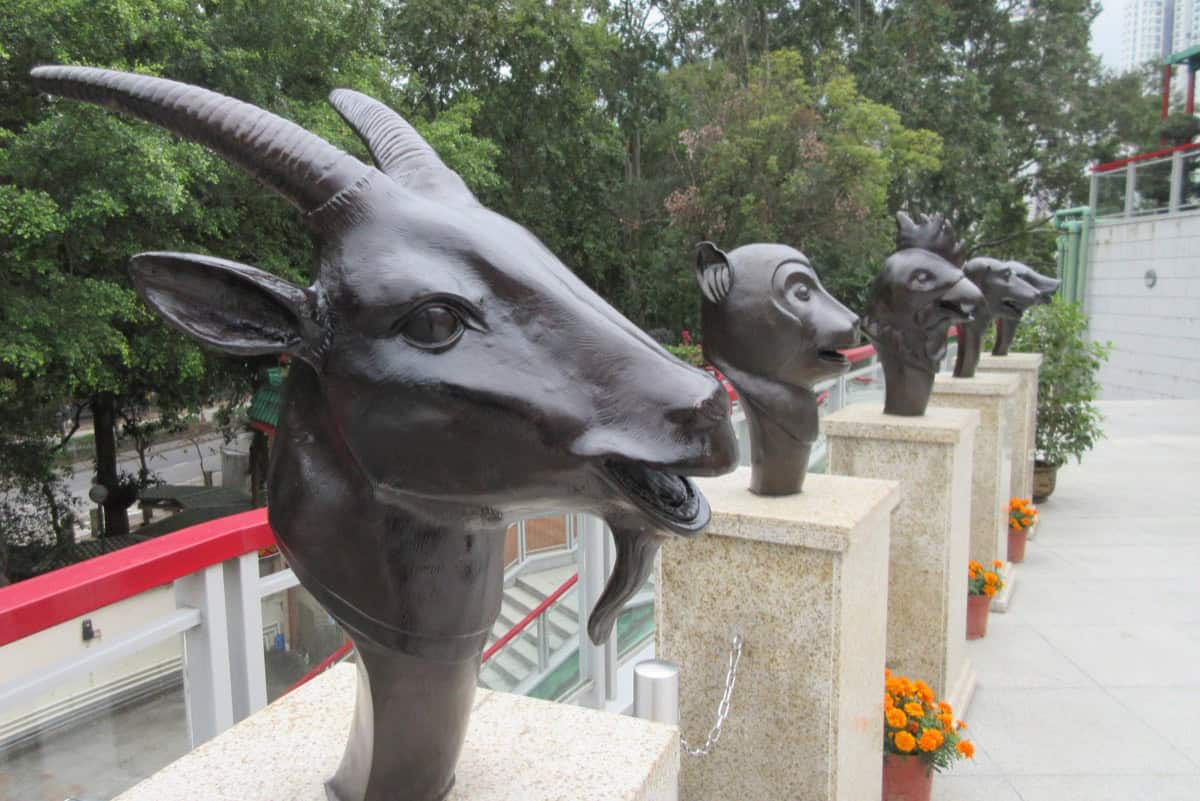
The diaspora year: how the calendar survives abroad
Read the two tables side by side and something becomes visible that no single festival article can show: abroad, the calendar is the same grid and a different year.
Spring — remembrance at a distance. Qingming is the year’s principal grave visit, and for a diaspora family the first question is which country they are standing in when it arrives. Four documented return routes run from San Francisco, Toronto, Sydney and Singapore back to the Wuyi counties with Qingming as their stated purpose; where a family cannot make that journey, the observance takes the remote form — a 遥祭 (yáo jì, remote sacrifice) at a family altar or a community grave-site abroad. Qingming in the Five Counties covers how the return works.
Summer — feeding the dead, timed with money. Zhongyuan is Qingming’s opposite half, and where the calendar’s economy shows through the ritual. The remittance letters — 侨批 (qiáopī) and 银信 (yínxìn) — were timed to festival dates, and this newsroom’s research graph records the remittance flow as facilitated by the Zhongyuan date, because the letter paid for the offering. Overseas, Ghost Month is the calendar’s longest observance, running the whole seventh month, with 烧衣, 施孤, 放河灯 and the 会馆 (huìguǎn, hometown association) memorials at its centre — the subject of Ghost Month 2026 and of Reading Qiaopi.
One note, since it is often misfiled: the UNESCO Memory of the World inscription of 2013 covers the qiaopi and yinxin — the letters — not any festival calendar.
Autumn — reunion and its absence. Mid-Autumn is the reunion festival, and the hardest one to keep at a distance. Overseas it is kept through association and Chinatown gatherings rather than household tables: Chicago’s Chinatown festival and its 363-kilogram “thousand-person mooncake,” made over four days by local restaurant owners and given to community elders — a gift to the oldest people present. The tension is structural: the table is set, and the reason for the festival is the person who is not at it.
Double Ninth is where the divergence is sharpest. On the mainland 重阳 is the month’s thinner observance; overseas it is one of the additions diaspora communities most reliably keep. Meanwhile the same lunar month fills Singapore’s 九皇爷诞 temples — nine days of vegetarian observance with water-carrying processions and a send-off, kept at twenty-plus temples in Singapore alone, and observed also in Malaysia, Thailand, Indonesia and Myanmar (Culturepaedia, Singapore Chinese Cultural Centre). It is statutory nowhere; those windows exist because this hub derives them from the HKO month start, not because a government prints them.
Winter — return, and a divided week. Winter Solstice is the “other new year” — 冬大过年 — kept abroad even where winter is not: 汤圆 rolled and eaten as a family meal, the date read as a 天赦日. Laba closes the loop a few weeks later, and it runs into the least-documented column of this page: no association-run Laba observance was located in this search. The honest entry is the thin one: the porridge travels as charity food, and the rest is not in the record.
National Day is the one date with no lunar logic at all, and its overseas observance is organised, not spontaneous — which is why its scale varies by year.
The rule that governs all of it. What the diaspora shares with the hometown is the lunar date grid and the solar-term dates; what diverges is names, added nodes, and which day of the week the observance lands on. Overseas institutions — associations, temples, parade committees — set their own dates, which is why a regatta falls on a chosen weekend rather than on 五月初五.
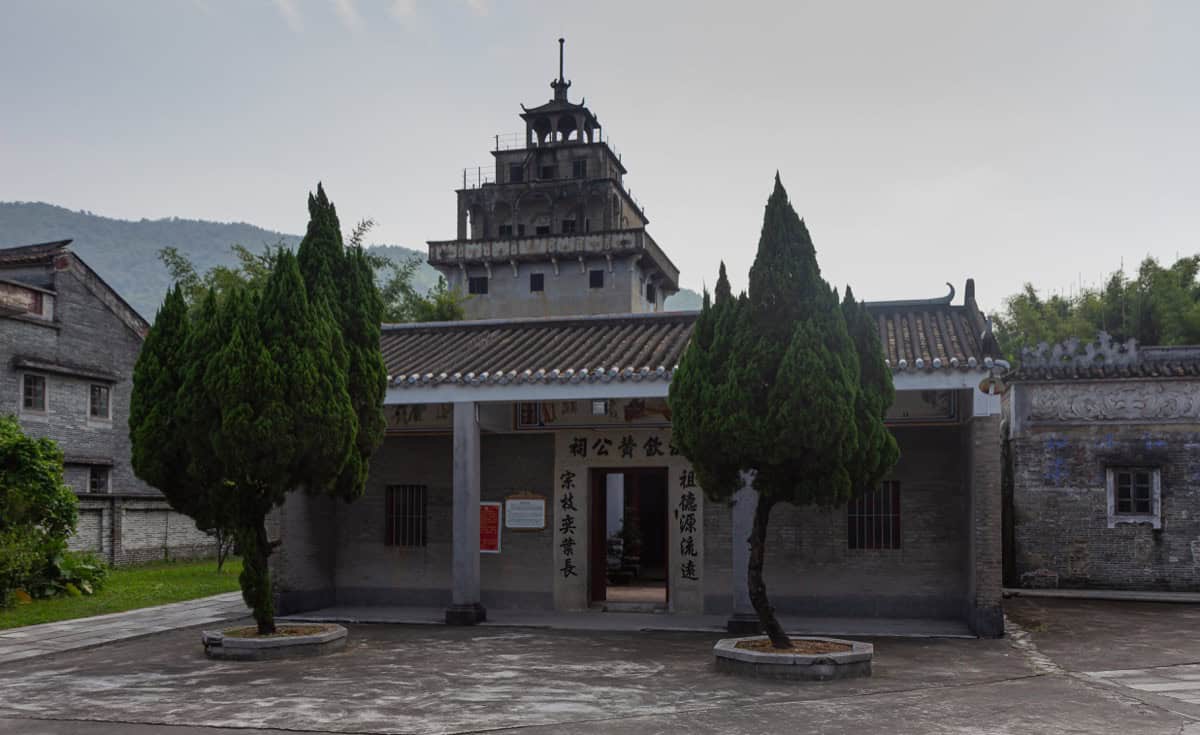
Planning around the calendar
Timing a trip home around a festival — or avoiding one — means the statutory blocks matter as much as the festival dates.
2026 was fixed by the State Council’s General Office (国办发明电〔2025〕7号, published 4 November 2025):
- New Year (元旦) — 1–3 January; Sunday 4 January worked.
- Spring Festival (春节) — 15–23 February, nine days; Saturday 14 February and Saturday 28 February worked.
- Qingming — 4–6 April.
- Labour Day (劳动节) — 1–5 May; Saturday 9 May worked.
- Dragon Boat — 19–21 June.
- Mid-Autumn — 25–27 September, no transfer days.
- National Day — 1–7 October; Sunday 20 September and Saturday 10 October worked.
Two facts in that list matter most for planning a 五邑 roots visit.
Mid-Autumn and National Day do not merge in 2026. They are two separate blocks — 25–27 September and 1–7 October, three non-holiday days in between. In years when the two converge the country gets one long break; in 2026 it does not. The Mid-Autumn block is shorter and quieter; the National Day week is the year’s heaviest domestic travel outside Spring Festival.
Spring Festival is a nine-day block with two Saturday workdays attached — 15–23 February. It is the longest, most crowded and most expensive window of the year, and the ancestral halls are at their busiest.
For 2027, the festival dates above are firm; the holiday blocks are not yet knowable — the arrangement is announced each November, and the Hong Kong and Macau gazettes were unpublished as of 14 September 2026.
Which festival to aim for. The question is not only when travel is cheap but when a returning descendant can take part. Qingming is the clearest case: the grave visits, the 宗亲 activity and the village-level organisation are all keyed to the date, and it falls inside a short three-day block rather than a Golden Week, which keeps roads and hotels manageable. Mid-Autumn carries the reunion meal and the Wuyi village fire-dragon dances, though some fall outside the statutory days. The Lantern Festival village celebrations and the per-village 年例 season sit largely outside the national holiday calendar, which is why they still reward a trip and still need local checking.
For logistics — visas, routes, accommodation — this page hands over: Wuyi Roots Trip Itinerary, Wuyi Village Atlas Guide, and Your Surname, Your Compass: Wuyi Roots.
The return
A calendar is how a culture remembers itself in time.
The festivals on this page outlived dynasties, a 104 BCE calendar reform, a 1967 ban on public Spring Festival observance in Indonesia, and the erosion of work weeks and school terms in a dozen countries. None of it survived by doctrine. It survived by people keeping dates — cooking the porridge on the eighth day, crossing the bridge on the sixteenth, climbing the hill on the ninth, sending the letter so it arrived before the fifteenth of the seventh month.
Indonesia shows the dates outlasting the state: a 1967 ban on public observance; an optional holiday under Gus Dur in 2000; a national public holiday under Megawati in the early 2000s — the sources give 2002 and 2003, and the honest form is that range. In December 2023 the UN General Assembly made Spring Festival a UN floating holiday from 2024. The festival did not need permission; the paperwork eventually agreed with it.
This page hands the mechanism back in legible form: thirteen festivals, two years, every date carried from the HKO table and none invented. What it cannot do is place your family on the year. That part is yours: which of these a grandmother kept, which a parent let go, which one you might pick back up this year. Mark them on whatever calendar you use — then come back when the season turns.
Sources
Calendar authority
- Hong Kong Observatory — Gregorian–Lunar Calendar Conversion Table — every Gregorian date here is carried from this table, never recomputed. See the published 2026 and 2027 tables.
Official notices and heritage record
- 国务院办公厅关于2026年部分节假日安排的通知 (国办发明电〔2025〕7号) — the 2026 statutory blocks in Planning.
- 中国非物质文化遗产网 — China’s intangible cultural heritage register — the 行花街, 出花园 and 舞火龙 designations cited above.
- Culturepaedia — Singapore Chinese Cultural Centre — the Nine Emperor Gods Festival (九皇爷诞).
- wannianli.tianqi.com — the independent lunar-calendar cross-check.
Gaps are labelled, not hidden: the Wuyi layer of 元宵, 寒衣节 and 下元节; the wording of the 卖懒 verse in Siyi villages; and Laba’s overseas observance were all not located in this search — recorded as not-found, not as non-existent.
Image credits — Wikimedia Commons: Changdian temple fair, Beijing (CC BY-SA 4.0); nongli almanac booklets (CC BY-SA 4.0); the Huang clan ancestral hall, Majianlong (CC BY-SA 3.0); Wing Wah mooncake (CC BY-SA 3.0); lion and dragon dance, San Francisco (CC0); zodiac goat, Fanling (CC BY-SA 4.0).
Continue Reading
- Mid-Autumn Festival 2026: Mooncakes, Reunion, and How the Wuyi Diaspora Keeps the Date
- Dragon Boat Festival Across the Diaspora: From Wuyi to the World
- Qixi Festival: How the Wuyi Diaspora Kept Love Alive Across the Ocean
- The Chung Yeung Festival: Autumn Grave-Sweeping and Ancestor Veneration in the Wuyi Diaspora
Stay Connected
Follow RootsOfChina on Facebook and Instagram for new article updates, behind-the-scenes from Kaiping, and stories from the Chinese diaspora.
Suggested Reading
Is this your family’s story?
Roots Of China is built from readers’ family histories. If a story here sounds like your own — a surname, a village, a journey — leave a comment below, or share your family’s story with us and we may be able to help you find your ancestral village.
