

What to Eat in Wuyi: A Food Guide for Returning Diaspora
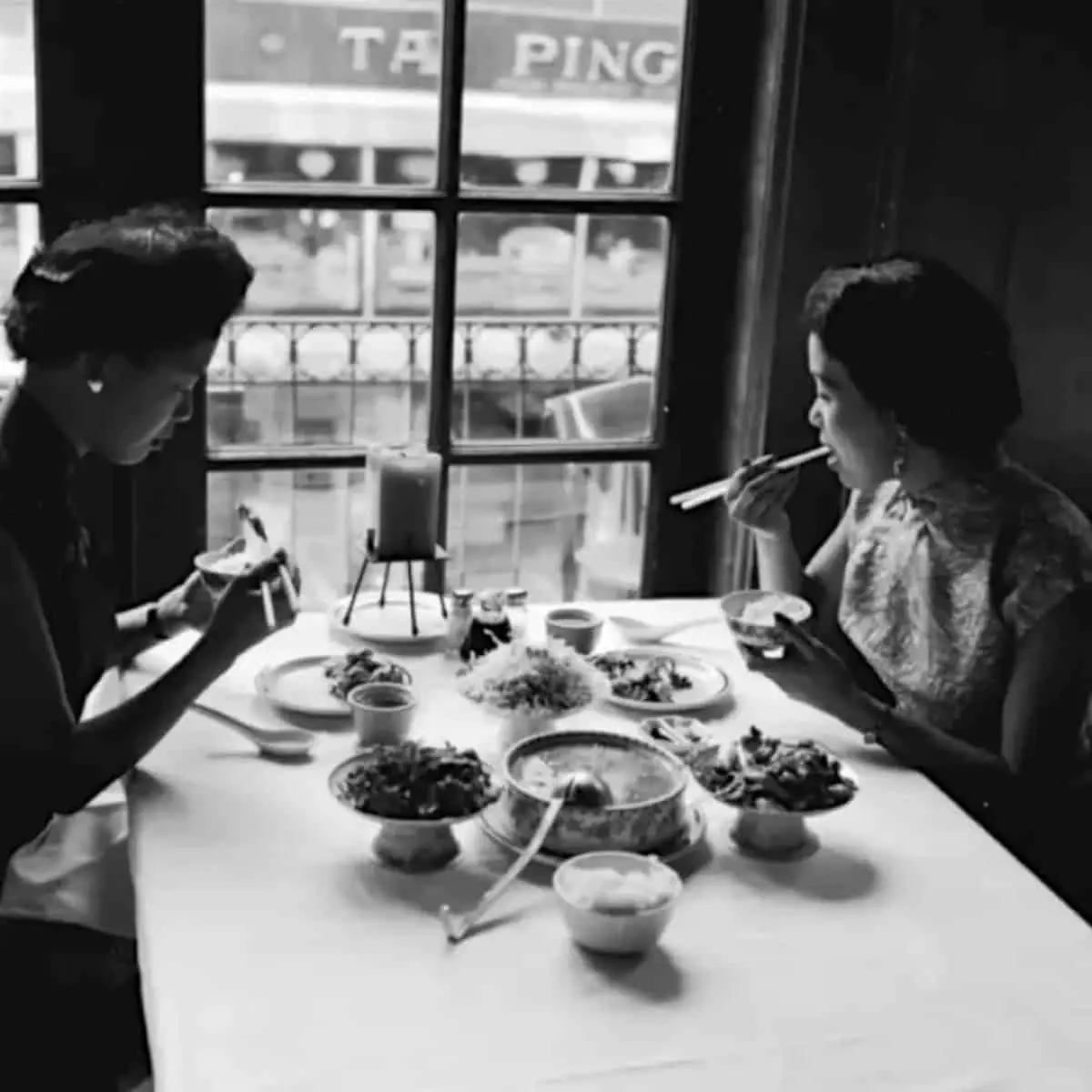
Taishanese cuisine was the first regional Chinese food to globalize. Before Sichuan, Hunan, or Shanghai cooking reached international audiences, immigrants from the Siyi (四邑) region of Guangdong had already defined what “Chinese food” meant for most of the Western world — a diaspora that sent over two million people overseas across 200 years. Chop suey, chow mein, and egg foo young — dishes that became synonymous with Chinese cooking in America — are Taishanese inventions, created in the cramped restaurant kitchens of 19th-century Chinatowns to feed both homesick laborers — many of them Chinese railroad workers — and curious white customers. Lee Kum Kee oyster sauce (蚝油, háo yóu), invented near Wuyi in 1888, now sits in kitchens on every inhabited continent.
This is the story — rooted in the villages and surnames of Wuyi — of how one small region’s food shaped the global idea of Chinese cooking — and, more practically, where you can taste that history today. Whether you.re planning a roots trip (here is where to stay) or already standing in a Taishan market wondering what to order, this guide covers what to eat in each county, why it matters, and how to navigate the food landscape without fluent Taishanese.
Taishan: Where the Sea Defines the Table
Taishan (台山) has 500 kilometers of coastline, and it shows on the plate. The county’s cooking is defined by seafood — oysters, yellow croaker, shrimp, and dozens of fish species that appear in no other Chinese regional cuisine with quite the same preparation.
The dish you must try is yellow eel rice (黄鳝饭, huángshàn fàn). Live freshwater eels are killed moments before cooking, stir-fried with ginger and fermented black beans, then mixed into claypot rice. The eel’s blood tints the rice a faint pink. The flavor is rich, slightly sweet, with the deep umami that only fresh eel can deliver. This dish is found nowhere else in Guangdong — it belongs to Taishan.
Equally essential is claypot rice (煲仔饭, bāo zǎi fàn). Rice is cooked in individual unglazed clay pots over charcoal with lap cheong (腊肠, Chinese sausage), cured duck, and dark soy sauce. The crusty rice bottom — called fàn jiāo (饭焦) — is the prized portion, scraped from the pot with a metal spoon, smoky and crisp. The best claypot rice in Taishan comes from small shops where the clay pots have been used for decades, their interiors seasoned by thousands of meals.

For breakfast, find rice noodle rolls (肠粉, chángfěn). Taishan’s version differs from Hong Kong’s: they’re thicker, stuffed with dried shrimp and crushed peanuts, served with a sweet soy sauce that’s darker and more complex than the Cantonese standard. At the morning market, watch the vendor pour rice batter onto a cloth stretched over steam, then scrape the translucent sheet onto a plate in one fluid motion.
Seafood demands specificity. Taishan oysters (台山蚝, Táishān háo) are smaller and sweeter than their northern counterparts — the brackish water of the Pearl River Delta estuary creates a unique flavor profile. Try them in an oyster omelet (蚝烙, háo luò): fresh oysters folded into egg batter with sweet potato starch, pan-fried until the edges crackle. The Guanghai Bay yellow croaker (黄鱼, huáng yú), steamed whole with ginger and scallion, is the signature dish of Taishan’s fishing fleet.
Where to eat in Taishan:
- Guanghai Bay fish market at 4 a.m. — the wholesale auction of the night’s catch, unchanged for 200 years. Not a restaurant; go to watch, then eat at a nearby stall.
- Chengxi Road food street (城西路美食街) — 30+ stalls operating from 6 p.m. to midnight. Grilled oysters, stinky tofu, fried rice noodles, sugarcane juice.
- Taishan Restaurant (台山酒家, est. 1928) — the oldest surviving restaurant in the city, founded to serve returned overseas Chinese. The first in Taishan to offer Western-Chinese fusion dishes.
Kaiping: Claypots, Diaolou, and Fermented Flavors
If Taishan’s food is defined by the sea, Kaiping (开平) belongs to the claypot and the fermentation jar. Inland from the coast, Kaiping’s cooking is earthier, slower, built around ingredients that develop depth over time.
The dish that captures Kaiping is beggar’s chicken (叫化鸡, jiàohuā jī). A whole chicken is stuffed with wood ear mushrooms, Chinese dates, and ginger, wrapped in lotus leaves, encased in clay, and baked underground for four hours. When the clay shell is cracked open at the table, the steam that escapes carries the scent of lotus and ginger — and the meat falls off the bone. The dish has a 300-year local history and exists in no other form quite like Kaiping’s version.
For a lighter taste, horse’s hoof pastry (马蹄糕, mǎtí gāo) is translucent water chestnut starch jelly, served cold in summer with osmanthus flower syrup. It wobbles on the plate, refreshing and barely sweet — the antidote to Guangdong’s brutal humidity.
Kaiping’s condiment culture is the soul of its cooking. Fermented bean curd (腐乳, fǔrǔ) — cubes of tofu aged in rice wine and chili until creamy and pungent — is eaten with plain rice congee for breakfast. It’s an acquired taste, and acquiring it means you’ve crossed a threshold of Wuyi food literacy. Kaiping dark soy sauce, brewed locally, is sweeter and more viscous than commercial varieties. Many families still make their own, with recipes passed down orally and never written.

Where to eat in Kaiping:
- Chikan town (赤坎) — an entire street of 1920s-era buildings with restaurants still operating inside them. You can eat claypot rice in the same room that fed departing migrants a century ago. The restaurant at 12 Qilou Street has been run by the same family for five generations.
- Diaolou homestays — several UNESCO-listed watchtowers (碉楼, diāolóu) now offer “grandma’s kitchen” meals. Hosts cook family recipes passed down four or five generations, often the exact dishes described in qiaopi remittance letters.
- Kaiping food walking tours (美食步行游) — three-hour guided walks through the Changsha district, sampling 10-12 local specialties. Book in advance through local tour operators.
Xinhui: The Land Where Tangerine Peel Is Worth More Than Gold
Xinhui (新会) is defined by a single ingredient: chenpi (陈皮) — aged tangerine peel. This is not a garnish. Xinhui chenpi aged 10 to 50 years sells for more than gold by weight. The peel is sun-dried, then stored in climate-controlled rooms where it darkens and concentrates over decades. A 30-year-old chenpi looks like brittle leather and smells like distilled citrus — sour, sweet, slightly medicinal, and entirely unlike anything else in Chinese cooking.

Chenpi duck (陈皮鸭, chénpí yā) is the dish that best demonstrates why this ingredient matters. A whole duck is braised with 20-year-old tangerine peel, star anise, and rock sugar. The chenpi cuts through the duck’s richness with a bright citrus note that has no Western equivalent — it’s not orange, not lemon, but something earthier, deeper, the taste of time itself. The duck emerges glossy and tender, the sauce reduced to a syrup that you will want to drink from the plate.
Chenpi oil (陈皮油) is aged peel infused in peanut oil, used as a finishing oil. A few drops on steamed fish, a drizzle on rice — it adds perfume without weight. Chenpi tea is served at the end of meals as a digestive. In the 2020s, a local craft brewery began producing chenpi IPA, attracting young diaspora tourists who want their heritage in a familiar form.
Practical tip: Buy chenpi at Xinhui’s specialty markets near the tangerine orchards. Five-year peel is for everyday cooking. Fifteen-year peel is for special occasions. Thirty-year peel is an heirloom — wrap it in cloth and store it away from light. Prices start at about ¥200 per 50g for young peel and climb exponentially for older grades.
Enping: The Wuyi Corner Few Diaspora Know
Enping (恩平) sits inland, and everything about its food is different. While Taishan sent migrants to North America and Kaiping fed the railroad camps, Enping’s diaspora went south — to Venezuela, Brazil, and Argentina — creating a parallel food culture less documented than the US-focused migration. The cuisine reflects the geography: more game meats, mountain vegetables, and hot spring cooking than coastal Taishan.
Enping’s hot springs (温泉, wēnquán) now anchor a growing food tourism scene. Restaurants near the springs cook vegetables and eggs directly in geothermal water, claiming the mineral content enhances flavor. The mountain restaurants serve dishes you won’t find at the coast: wild boar with fermented black beans, bamboo shoots in chili oil, foraged mushrooms in claypot.
Enping is best visited as a day trip from Kaiping. Hire a local guide who knows the mountain restaurants — they are rarely on maps, and the best ones operate from private homes with no signage. The reward is Wuyi food at its least globalized, least adapted to outside palates, and most deeply local.
The Letters That Tasted of Home
Forty percent of all qiaopi (银信) remittance letters mention food. These letters — sent across the Pacific for more than a century between Wuyi villages and overseas Chinese communities — are the richest archive of Wuyi food history that exists.
A letter from 1908, sent from a railroad worker in California to his wife in Taishan:
“The dried turnip you sent arrived. I cried when I tasted it. It tastes exactly like home.”
A letter from 1912:
“I am sending $20. Buy rice for mother. The price in the village market is too high this winter.”
A letter from 1923, from a mother who had sent rice cakes that took three months to cross the Pacific:
“Mother, your rice cakes arrived crushed but I ate every crumb. Each bite I remembered your hands kneading the dough.”

Some families preserved qiaopi letters specifically for the recipes written in them — a daughter in Taishan learning her mother’s cooking through 50 letters over 30 years of separation. The food requests evolved across decades: 1900s letters ask for basic rice and salt. 1920s letters specify brands of soy sauce. 1950s letters request butter and bread — Western ingredients the village now had access to through returned migrants. By the 1980s, letters from overseas were requesting luxury items: dried abalone, aged chenpi, village-made rice wine.
Food was the most direct emotional channel across the Pacific — more powerful than money, more immediate than photographs. A jar of homemade chili sauce communicated “I miss you” without words. A package of dried fish meant “I am still alive, I am still your son, I have not forgotten.”
What the Migrants Carried
When a Wuyi migrant departed from Haikou Port (海口埠) in the 19th century, they carried food. Not as comfort — as survival technology.
The “Eight Treasures” preserved meat bundle (腊味八宝) was the standard departure gift: cured pork belly, wind-dried duck, and lap cheong sausage wrapped in oiled paper and tied with string. At Haikou Port, portside eateries served departure noodles (离别面, líbié miàn) — long noodles symbolizing a long life overseas, eaten in silence or with murmured blessings. The meal could take an hour or five minutes; it depended on the ship’s schedule and the migrant’s courage.

Onboard, the diet was brutal: twice-daily rice with salted fish, one cup of tea — for 120 days from Hong Kong to San Francisco. Food preservation techniques evolved specifically for trans-Pacific shipping. Vegetables were salted far beyond normal edibility so they’d survive four-month journeys, then soaked in fresh water upon arrival. The “home package” (家乡包) was a standard qiaopi shipment: dried turnip, salted fish, fermented bean curd, aged chenpi, and a handwritten letter — about five kilograms total.
Back in the villages, women managed everything. While men toiled in overseas kitchens, jinshanpo (金山婆, Gold Mountain wives) ran the vegetable gardens, chicken coops, fish ponds, and rice paddies. They controlled an estimated 70% of remittance spending on food — an extraordinary concentration of economic power for women in a patriarchal society. Their food expertise became community leadership. Other women sought their advice on preservation and budgeting. The “rice jar” (米缸) — the family food supply — was the domain where women ruled absolutely.
Eating in Wuyi Today: A Practical Guide
You’ve arrived. You’re hungry. You don’t speak Taishanese. Here is what to do.
Morning markets. Arrive at 6 a.m. The markets operate on a rotating lunar schedule: Duanfen (端芬) on days ending in 1, 4, or 7. Baisha (白沙) on 2, 5, 8. Taicheng (台城) on 3, 6, 9. Walk through slowly. Watch what elderly locals buy. Follow them to the breakfast stalls nearby. The best breakfast is rice congee (粥, zhōu) with salted duck egg and pickled mustard greens — ¥5, served in five minutes, the taste unchanged for centuries.

The restaurant hierarchy. Restaurants with English menus serve okay food — they know tourists. Restaurants with handwritten Chinese on the wall serve good food — they know locals. Restaurants with no menus at all serve the best food — they know their regulars and you are a guest they will feed whatever is fresh. Point at what the next table is eating. The gesture is universally understood.
Ordering without Taishanese. Learn these five characters: 鸡 (chicken), 鱼 (fish), 饭 (rice), 面 (noodles), 汤 (soup). That covers 80% of menus. Translation apps work for the rest. The phrase for delicious in Taishanese is “ho me” (好味), distinct from the Cantonese “ho mei.” Say it. Mean it. The cook will beam.
The “iron stomach.” Your digestive system needs 48 hours to adjust to local bacteria. Bring Pepto-Bismol. Drink only bottled or boiled water. Eat where the queue is longest — high turnover means fresh ingredients. Avoid raw shellfish on your first day, no matter how tempting the oysters look. By day three, your stomach will have acquired at least partial Wuyi citizenship.
Hospitality rules. When you enter a Wuyi home, you will be offered tea within 30 seconds and food within five minutes. Politely refuse three times. On the fourth offer, accept. This is ritual, not reluctance — everyone knows you will eventually say yes. The “lucky bag” (福袋) of food gifts you will receive upon leaving — dried mushrooms, a jar of village soy sauce, handmade rice noodles, aged chenpi — is not transactional. It is love, packaged in oiled paper.
Food tours. Professional food walking tours now operate in Taishan and Kaiping — three-hour guided walks sampling 10-12 specialties. Book in advance via local operators. Guides speak English and Taishanese, and they know which stall has the best oyster omelet this week, which varies.
Food souvenirs. Bring home: Xinhui chenpi (buy at the source, not tourist shops), Wuyi dark soy sauce (the locally brewed kind, not the supermarket brand), dried oysters from Guanghai, Taishan shrimp paste (蝦醬, packed in double-sealed containers). Don’t bring Chinese food products FROM your home country — the village versions are superior, and the gesture is awkward. Bring American snacks for village children. Oreos are inexplicably beloved.
The Taste of Ancestral Memory
Here is something the guidebooks don’t tell you, and it matters: the food in Wuyi may not taste the way you expect.
Diaspora descendants on roots trips often find authentic Wuyi food “too strong,” “too fishy,” or “too bland” compared to the Americanized versions they grew up with. This is normal. It has a name: the taste memory mismatch. Your grandmother’s cooking in San Francisco in 1965 adapted to American ingredients, American water, and an American palate. The original recipe, cooked in the village where she learned it, tastes different. Sometimes disappointing. Sometimes revelatory.
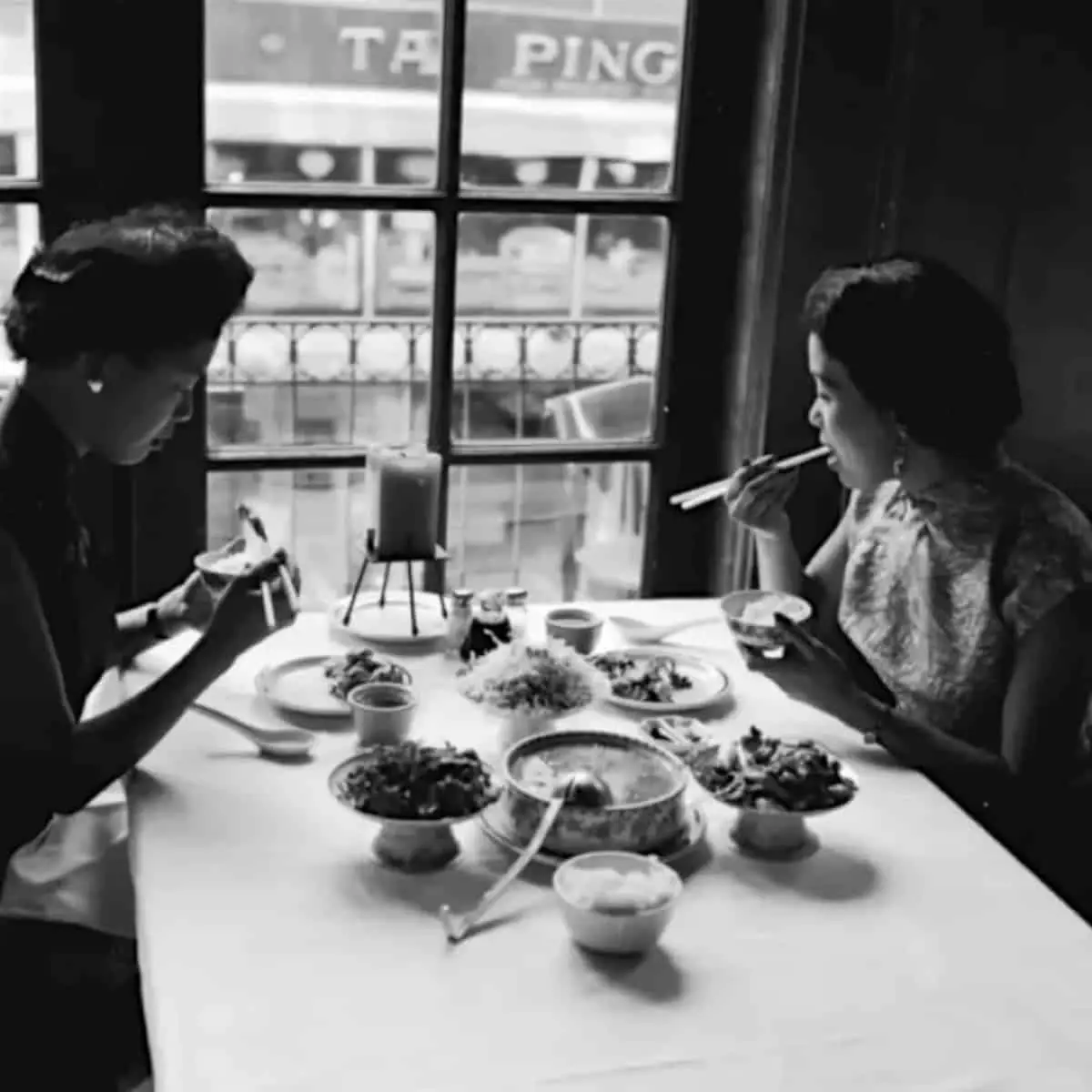
But then something shifts. You eat claypot rice in a 1920s Chikan restaurant, and the ginger-scallion ratio is exactly what your grandfather described in his letters. A condiment triggers a memory you didn’t know you had — the faint sweetness of village soy sauce, the sharpness of fresh-ground chili. This is the moment food scholars call “taste recognition,” and diaspora descendants call something closer to a haunting.
Food is the last language. When Taishanese fluency is lost — when grandchildren can’t read their grandparents’ letters — cooking remains. Grandmothers teach through gesture and taste, not vocabulary. A pinch of salt demonstrated, not measured. “Until it smells right,” not “three minutes.”
The ancestral kitchen experience — standing in your great-grandmother’s actual kitchen, touching the wok she used, the chopping board worn smooth by decades of meals she cooked for children who would cross an ocean — is, by consistent report, more powerful than visiting graves. Diaspora visitors describe it as the moment the abstract becomes physical. The stories you grew up with — about hunger, about survival, about the taste of home — suddenly have coordinates. Latitude, longitude, a specific stove.
The poet Li-Young Lee wrote that food memory is “the longest-lasting sensory memory.” Returned migrants in their eighties, interviewed for oral histories, could describe the exact taste of their mother’s steamed fish from 60 years earlier. They remembered the ginger. They remembered the scallion. They remembered the soy sauce — the village brand, dark and sweet — and when they returned to Wuyi and tasted it again, they wept.
You may not weep. But you will understand something you couldn’t learn from a genealogy website. Food doesn’t tell you who your ancestors were. It tells you how they lived, what they missed, and what they carried across an ocean that couldn’t be packed in a suitcase. It turns out almost everything could.
Quick Reference: Seasons, Festivals, and Resources
Best time to visit for food: October through December for autumn harvest and Winter Solstice feasts. January through February for the Lunar New Year food marathon. Avoid July and August unless you enjoy eating in 38°C humidity.
Key festival foods by season:
– Qingming Festival (April): Sweet rice cakes (艾糍, ài cí) made with mugwort, roast pork, boiled chicken — unchanged for 150 years.
– Dragon Boat Festival (June): Zongzi (粽子) wrapped in bamboo leaves with salted egg yolk and pork belly, plus “five-color congee” for health.
– Mid-Autumn Festival (September): Mooncakes made with Taishan-style lard pastry and lotus seed paste — each village bakery has its own recipe.
– Winter Solstice (December): Sweet rice balls (汤圆, tāngyuán) in ginger syrup. In Taishan, the solstice is more important than Lunar New Year: “冬至大过年.”
Online resources: Search “台山美食” on Douyin for current food street content — local influencers post daily. YouTube has Taishan food walking tours with English commentary. WeChat family groups share cooking videos that bridge the Pacific in real time.
Key phrase: “Sik fan mei ah?” (吃了饭没) — “Have you eaten?” — is the universal Wuyi greeting. Asking about food before anything else. Now you know how to answer.
Sources
- 梅伟强, 张国雄. 《五邑华侨华人史》. 广东高等教育出版社, 2001.
- 张运华. 《广东台山华侨史》. 中国华侨出版社, 2010.
- 刘进. 《银信与五邑侨乡社会》. 广东人民出版社, 2011.
- 袁丁. 《跨国移民与近代广东侨乡》. 中华书局, 2019.
- Hsu, Madeline Y. Dreaming of Gold, Dreaming of Home: Transnationalism and Migration Between the United States and South China, 1882–1943. Stanford University Press, 2000.
- 周兆晴. 《岭南饮食文化》. 广东人民出版社, 2012.
- UNESCO Memory of the World Register — Qiaopi and Yinxin Correspondence and Remittance Documents, 2013. https://en.unesco.org/memoryoftheworld
- Lee Kum Kee Corporate History — https://www.lkk.com/en/about
- Kaiping Diaolou and Villages — UNESCO World Heritage List, 2007. https://whc.unesco.org/en/list/1112
- Taishan City Government — Cultural Heritage and Tourism Portal. https://www.cnts.gov.cn
Continue Reading
- Your Surname, Your Compass: Finding Your Village in Wuyi
- The Village Atlas of Wuyi: An Interactive Guide to Ancestral Home Villages
- Wuyi Roots Trip Accommodation Guide: Where to Stay in Kaiping and Taishan
- From Haikou Port to the World: 200 Years of Wuyi Diaspora
Stay Connected
Follow RootsOfChina on Facebook and Instagram for new article updates, behind-the-scenes from Kaiping, and stories from the Chinese diaspora.
Get the Friday Digest
One email a week with the best new Wuyi diaspora stories, village guides, and family-history finds — free, no spam, unsubscribe anytime.
Suggested Reading
Is this your family’s story?
Roots Of China is built from readers’ family histories. If a story here sounds like your own — a surname, a village, a journey — leave a comment below, or share your family’s story with us and we may be able to help you find your ancestral village.
